Rug Pull: Understanding and Recognizing This Crypto Scam
Key takeaways
- Rug pulls are exit scams where developers withdraw liquidity and abandon a token.
- Common on Solana meme coins launched via pump.fun and Raydium liquidity pools.
- Rug pulls often involve manipulating token supply and liquidity to deceive investors.
- Key red flags include locked liquidity absence and centralized mint authorities.
- Performing security checks and understanding token mechanics helps avoid losses.
A rug pull is a type of crypto scam where project creators abruptly remove liquidity from a token pool, causing the token’s value to collapse and leaving investors with worthless assets. This fraudulent act is particularly frequent in the meme coin sector on blockchains like Solana, where launching new tokens has become easier thanks to platforms such as specmint.cc for token creation and pump.fun or Raydium for liquidity deployment.
What is a Rug Pull?
A rug pull occurs when developers or insiders of a cryptocurrency project withdraw all the liquidity from the market, effectively crashing the token price. This happens after attracting investors to buy the token, often through hype or misleading information. In decentralized finance (DeFi), liquidity pools provide the necessary funds for trading, so removing liquidity locks the token’s price at zero, rendering it worthless.
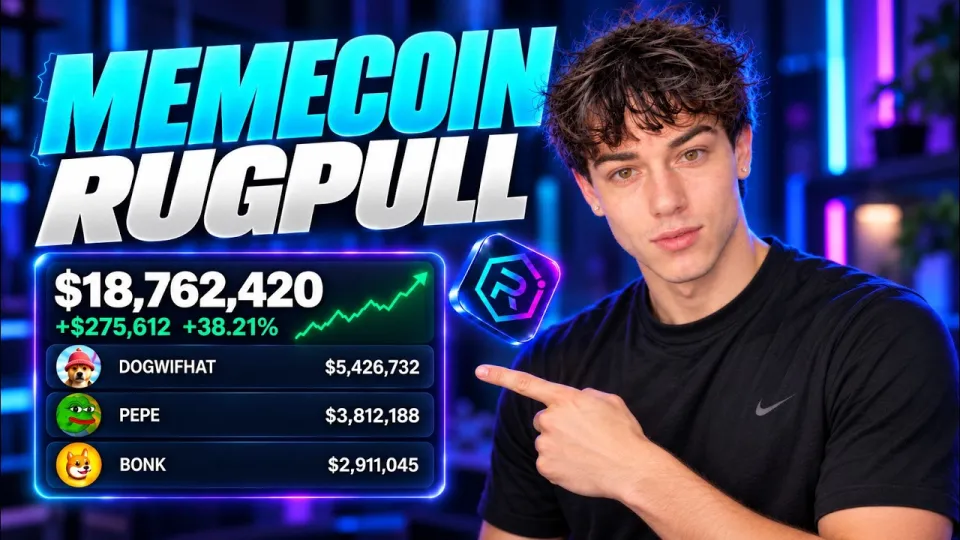
Video: Rug Pull Guide and Launching a Meme Coin on Solana
How Rug Pulls Happen on Solana Meme Coins
Solana’s fast and low-cost blockchain enables quick creation and launch of meme coins, but also makes it easier for scammers to execute rug pulls. Typically, a rug pull on Solana involves several steps:
- Token Creation: A new SPL token is minted with a fixed supply, controlled by authorities such as mint and freeze authorities.
- Liquidity Setup: The creator adds liquidity on decentralized exchanges like Raydium or pump.fun to allow token trading.
- Manipulation: The developer may keep control over mint or freeze authorities, allowing them to mint more tokens or freeze holders’ balances.
- Exit: At a chosen moment, the creator removes liquidity from the pool, withdrawing funds and causing a price crash.
Recognizing Common Rug Pull Patterns
Investors can identify typical rug pull red flags by analyzing token and liquidity details:
- Unlocked Liquidity: Liquidity that can be withdrawn anytime by the creator is a major risk.
- Centralized Token Authorities: Presence of mint or freeze authorities controlled by one wallet can enable token manipulation.
- Unusual Token Supply Changes: Sudden increases in token supply or minting raise suspicion.
- Lack of Verifiable Team or Project Details: Anonymous creators or missing audits increase risk.
- Pump and Dump Behavior: Rapid price spikes followed by crashes often signal manipulation.
How Liquidity and Token Prices Are Manipulated
Liquidity pools on Solana operate via automated market makers (AMMs). When a developer adds liquidity, they deposit tokens and an equivalent value of SOL or stablecoins. By withdrawing liquidity, they remove the counter asset and token pairing, halting trading and collapsing the token price. Additionally, minting new tokens dilutes holders’ value or freezing balances can prevent selling, both manipulative tactics.
Essential Security Checks Before Buying New Tokens
To reduce the risk of falling victim to a rug pull, investors should:
- Verify Liquidity Lock Status: Confirm if liquidity tokens are locked or timelocked via explorers or third-party services.
- Check Token Authorities: Use Solana explorers to see if mint or freeze authorities have been revoked.
- Analyze Token Holder Distribution: Large holdings concentrated in few wallets are potential red flags.
- Review Project Transparency: Look for clear team info, audits, and community feedback.
- Use Tools for On-Chain Analysis: Platforms like Dexscreener or Birdeye Solana help evaluate token and liquidity behavior.
Protecting Yourself in the Crypto Market
Understanding how rug pulls work is critical for safer investing. Developers and investors alike benefit from awareness of tokenomics, liquidity mechanics, and typical scam methods. Platforms like specmint.cc enable legitimate token creation but require responsible use. Always perform due diligence and apply security checks before engaging with new tokens.
Useful Links
- Token creation and launch platform: https://specmint.cc
Conclusion
Rug pulls remain a significant threat in the crypto space, especially among meme coins on Solana. By learning how these scams operate—from token setup to liquidity withdrawal—and recognizing key warning signs, investors can better protect their assets. The MC STUDIO channel provides valuable educational content to help users navigate these risks and make informed decisions. Explore tools like specmint.cc to create tokens responsibly and always conduct thorough security audits before investing.
Source: Rug Pull Guide and Launching a Meme Coin on Solana · Markdown version
Questions & answers
What exactly is a rug pull in cryptocurrency?
A rug pull is a scam where developers suddenly withdraw liquidity from a token pool, causing the token's price to crash and leaving investors with worthless tokens.
How can I spot a rug pull before investing in a new token?
Look for unlocked liquidity, centralized mint or freeze authorities, sudden token supply changes, lack of transparency, and abnormal price pumps followed by crashes.
Why are Solana meme coins often targeted by rug pulls?
Solana's fast, low-cost environment makes it easy to create and launch tokens quickly, which scammers exploit to attract investors and then pull liquidity abruptly.
What security checks should I perform before buying a new token?
Verify liquidity lock status, check token authorities via Solana explorers, analyze token holder distribution, review project transparency, and use on-chain analysis tools to assess risks.